
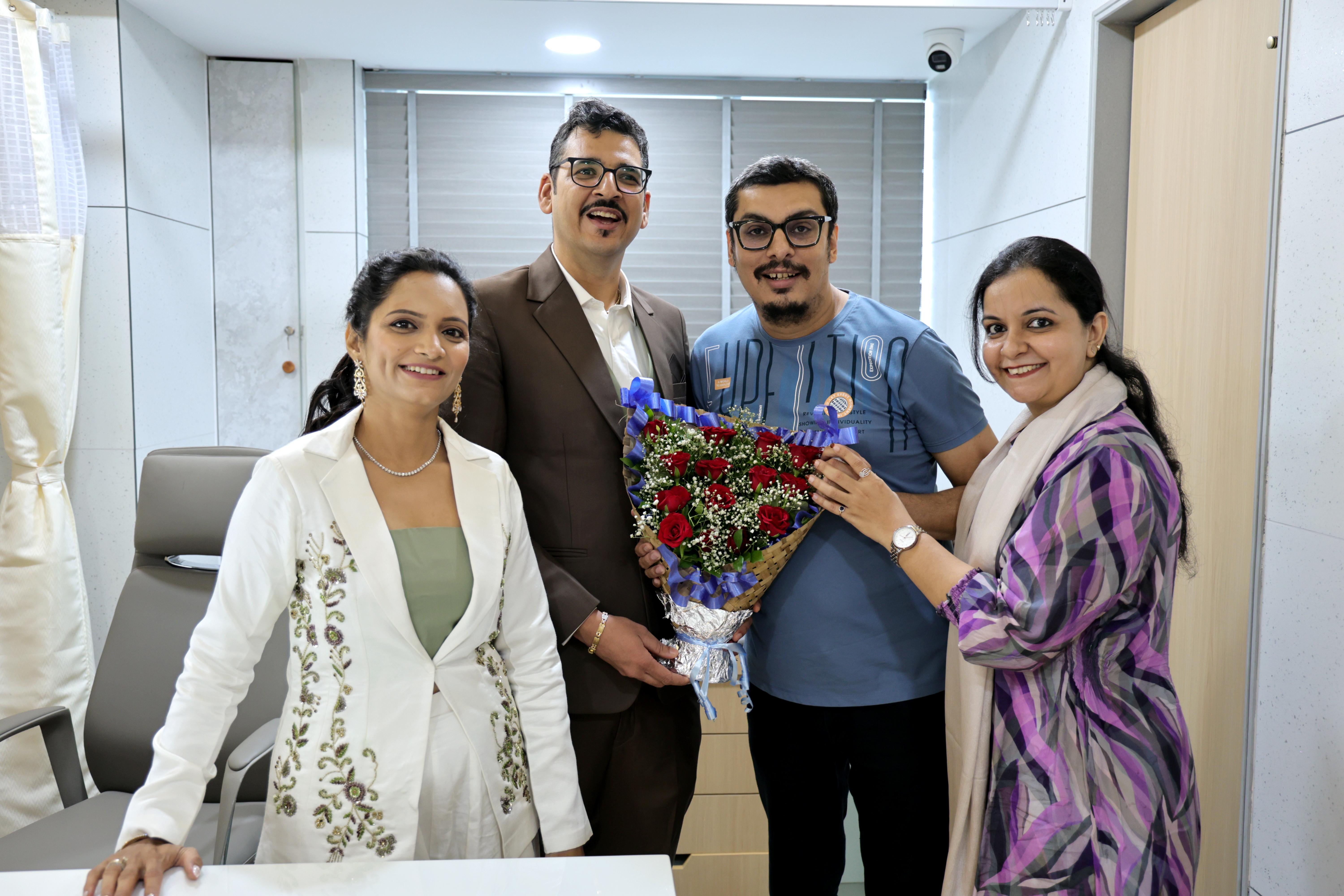
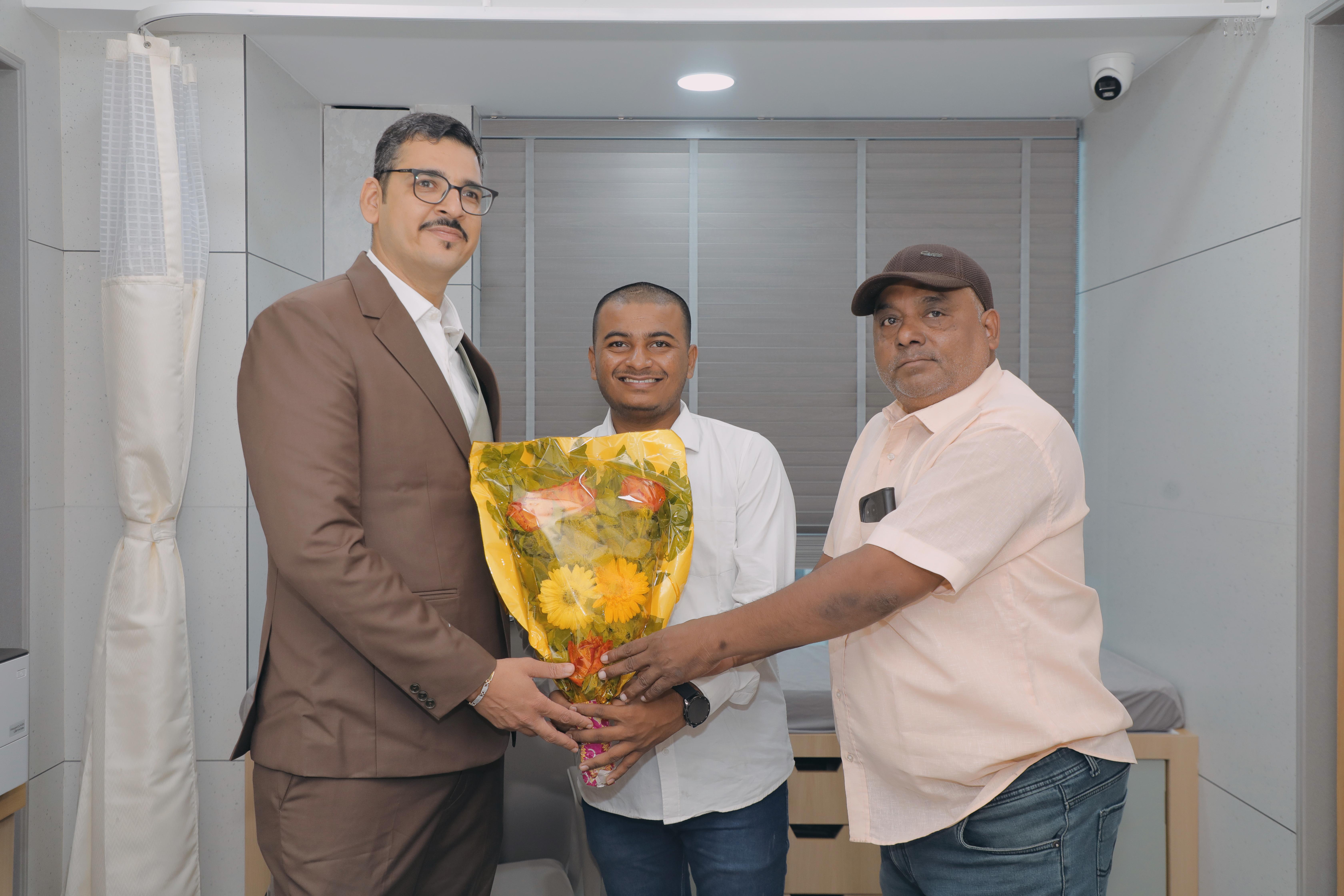
Inaugurated by Hon. Harsh Sanghavi.
Marking a milestone in healthcare excellence, our inauguration ceremony was graced by the Minister for Home and Police Housing of Gujarat — reinforcing our commitment as the Best Ortho Care Hospital, dedicated to advanced treatment and patient-first care.

SARVAM — Top Ortho Care Hospital in Surat
Advanced orthopedic treatments, expert surgeons, and compassionate care — helping you regain mobility through computer-assisted joint replacement, spine surgery, and trauma management.

Best Ortho Care Specialist in Gujarat
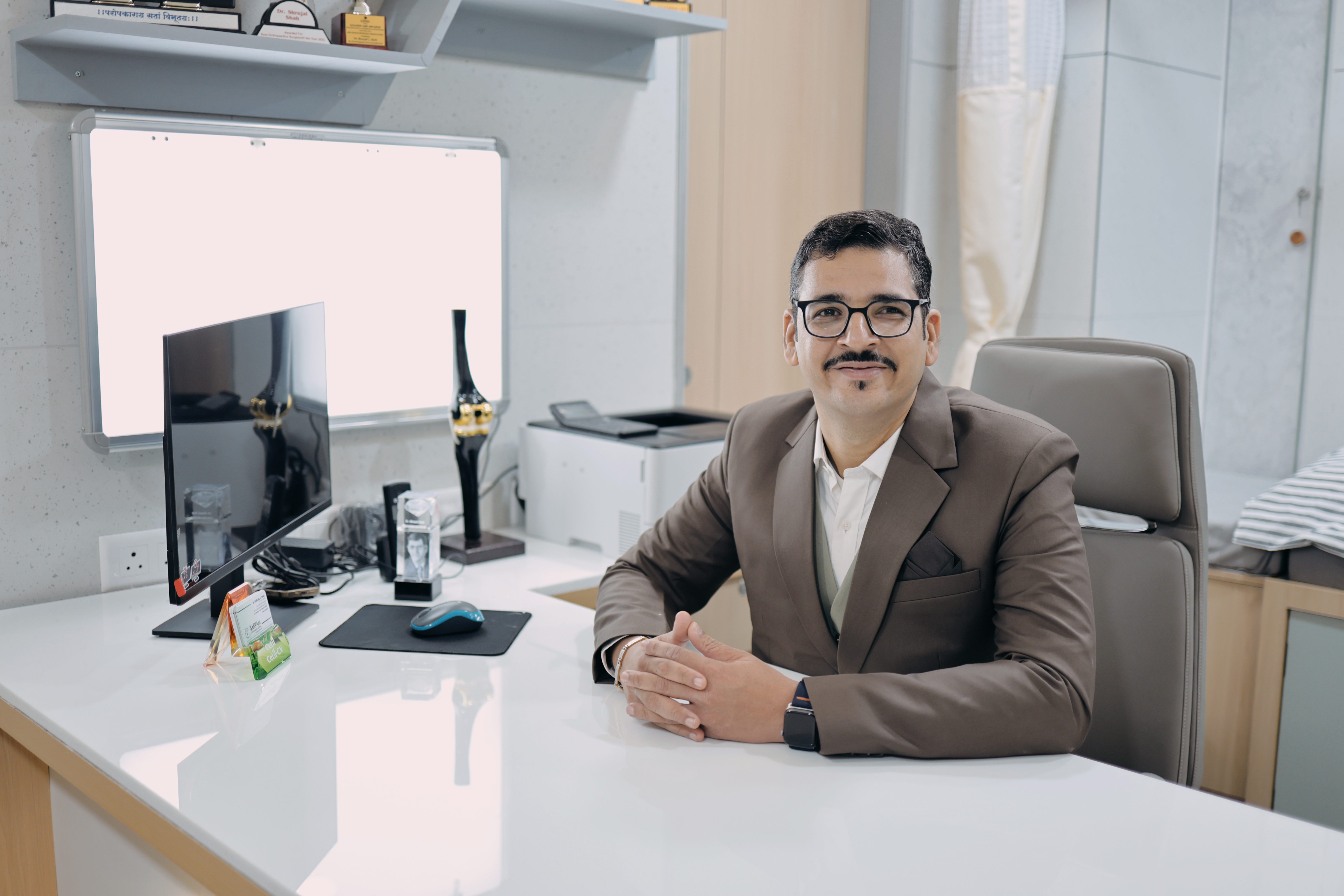
Expert orthopedic care by Dr. Shrujal Shah, delivering advanced treatments, precise diagnosis, and personalized solutions for long-term mobility and pain-free living.
Comprehensive Orthopedic Care at
Gujarat's Leading Ortho Hospital
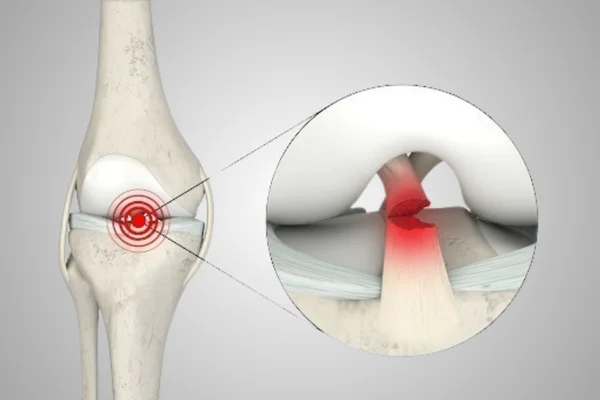
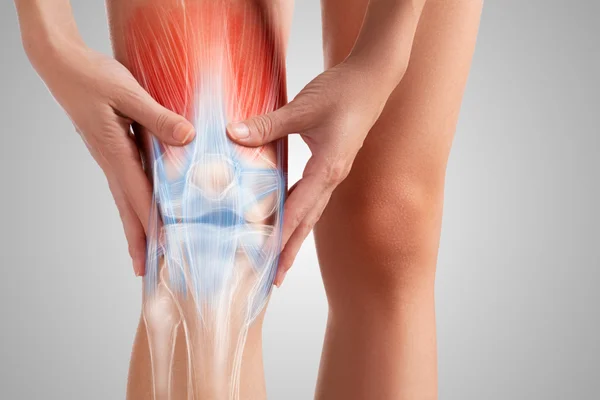
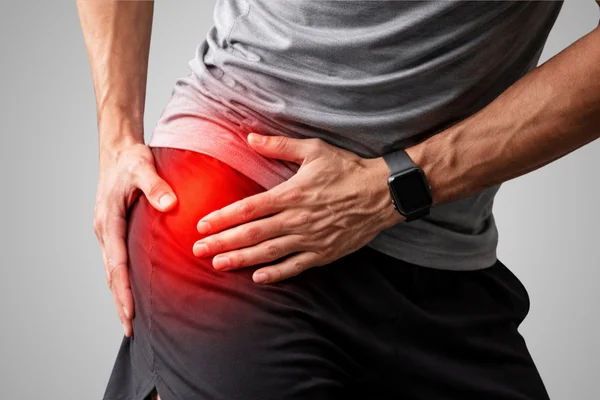
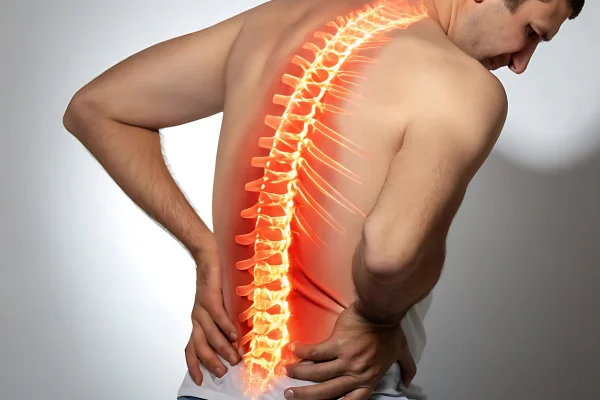
At Sarvam Hospital, Dr. Shrujal Shah offers comprehensive orthopedic care using advanced medical techniques and modern infrastructure. From joint pain and fractures to complex orthopedic conditions, our focus is on accurate diagnosis, effective treatment, and long-term recovery.
Two Decades of Surgical Excellence
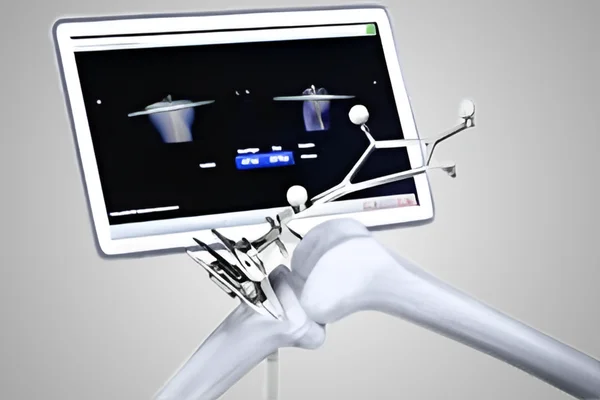
Benefits of Computer-Assisted
Navigation Surgery
What it does
- Excellent Accuracy
- Ability to perform highly complex and challenging surgeries with ease
- Excellent intra-operative imaging
- Reliable, Reproducible and optimal implant positioning
- Highest degree of control
- Minimal bone resection
What it means
- Ultimate Safety
- Lower time on operating table — greatly reduces infection chances
- Increased implant longevity
- Reduced need for revision surgery
- Excellent surgical results
- Faster Recovery and long-term safety
Best Ortho Care Specialist in Gujarat
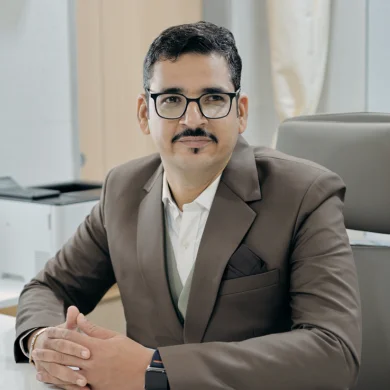
Dr. Shrujal Shah is a Specialist in Hip & Knee Surgeon & Consultant Orthopaedic Doctor from Surat, India. Orthopedics is a medical specialty focusing on the body's musculoskeletal system's wounds and illnesses — including bones, joints, ligaments, tendons, muscles, and nerves.
Orthopedic surgeons treat musculoskeletal trauma, spinal disorders, sports injuries, and degenerative diseases using both surgical and non-surgical means. Dr Shrujal Shah is the Best Orthopedic and Knee Replacement Doctor in Surat & Gujarat.
Affiliated Medical Societies






Testimonials
Thank you for handling my case with sympathy and kindness. Your concern and confidence made me capable to celebrate Eid. May God bless you and your family.
I was a patient for Knee Replacement Surgery. I had an opportunity to know the functioning of the hospital in detail. Management is excellent. Staff treatment to patients is remarkable and worthy. Patients gain confidence from the treatment. I am sure by passage of time the institution will be unchallenged in the state.
I chose Dr. Shrujal Shah to handle my ACL reconstruction after extensive research and referrals from trusted friends. It has been 4 months since my surgery, and I feel better than ever, and I am active and playing sports again. Thanks Dr. Shrujal.
Thanks to you, Dr Shrujal Shah, my knee is doing fine. I am being very careful with it, but having a great time. I just wanted to thank you for the great care. It is impossible to express how much you did for me. I was so worried that my skiing and hiking days were over.
Our Facilities
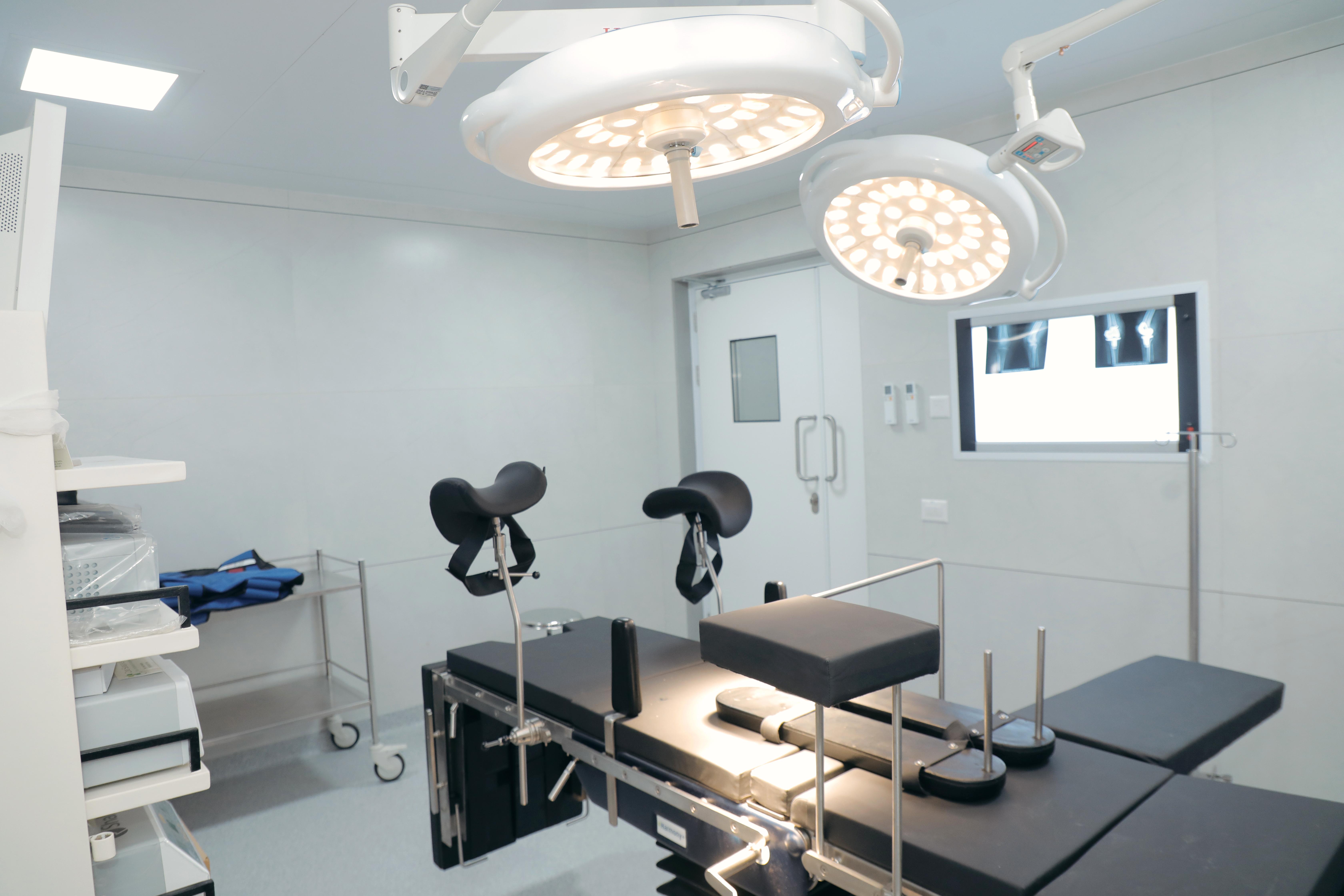
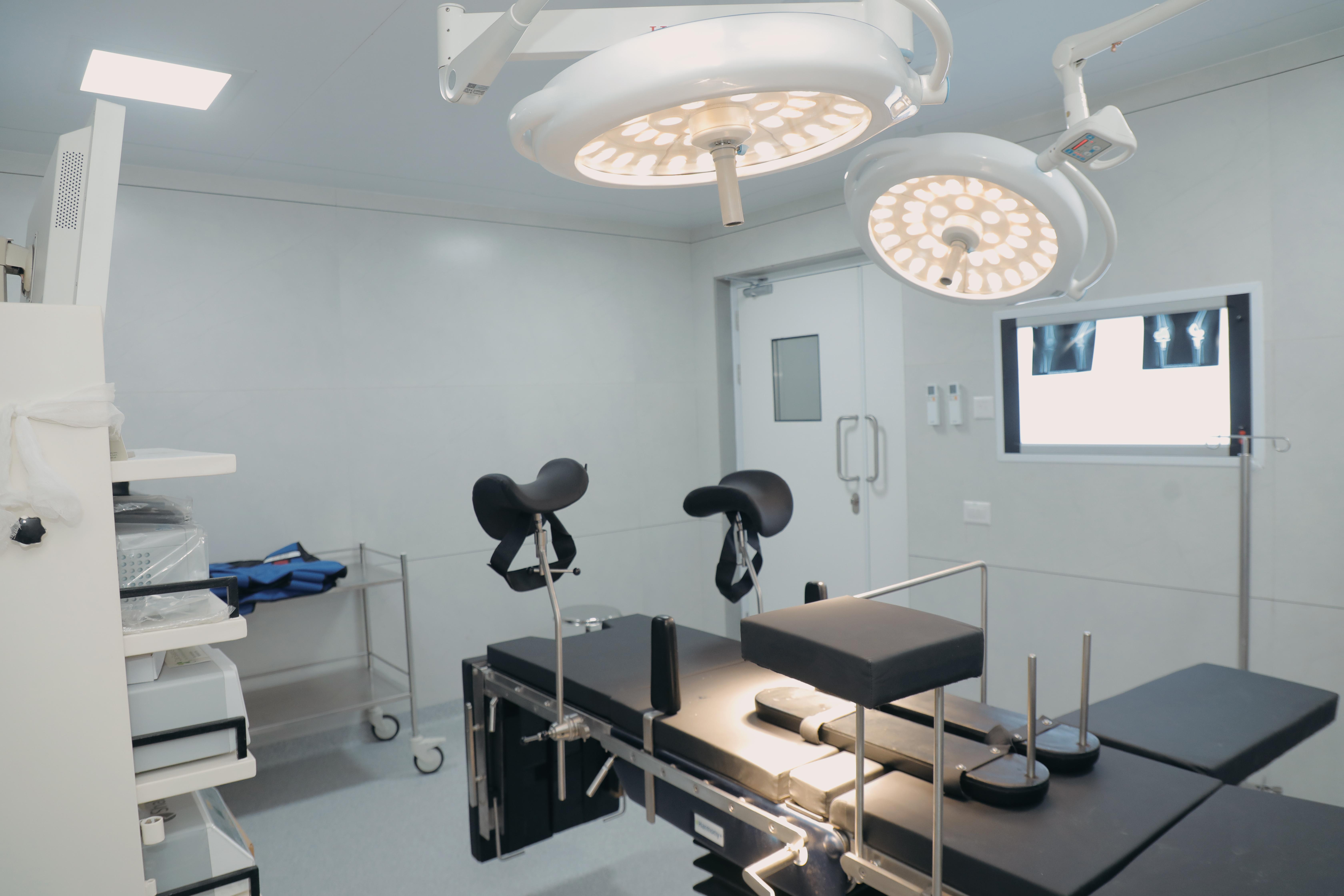
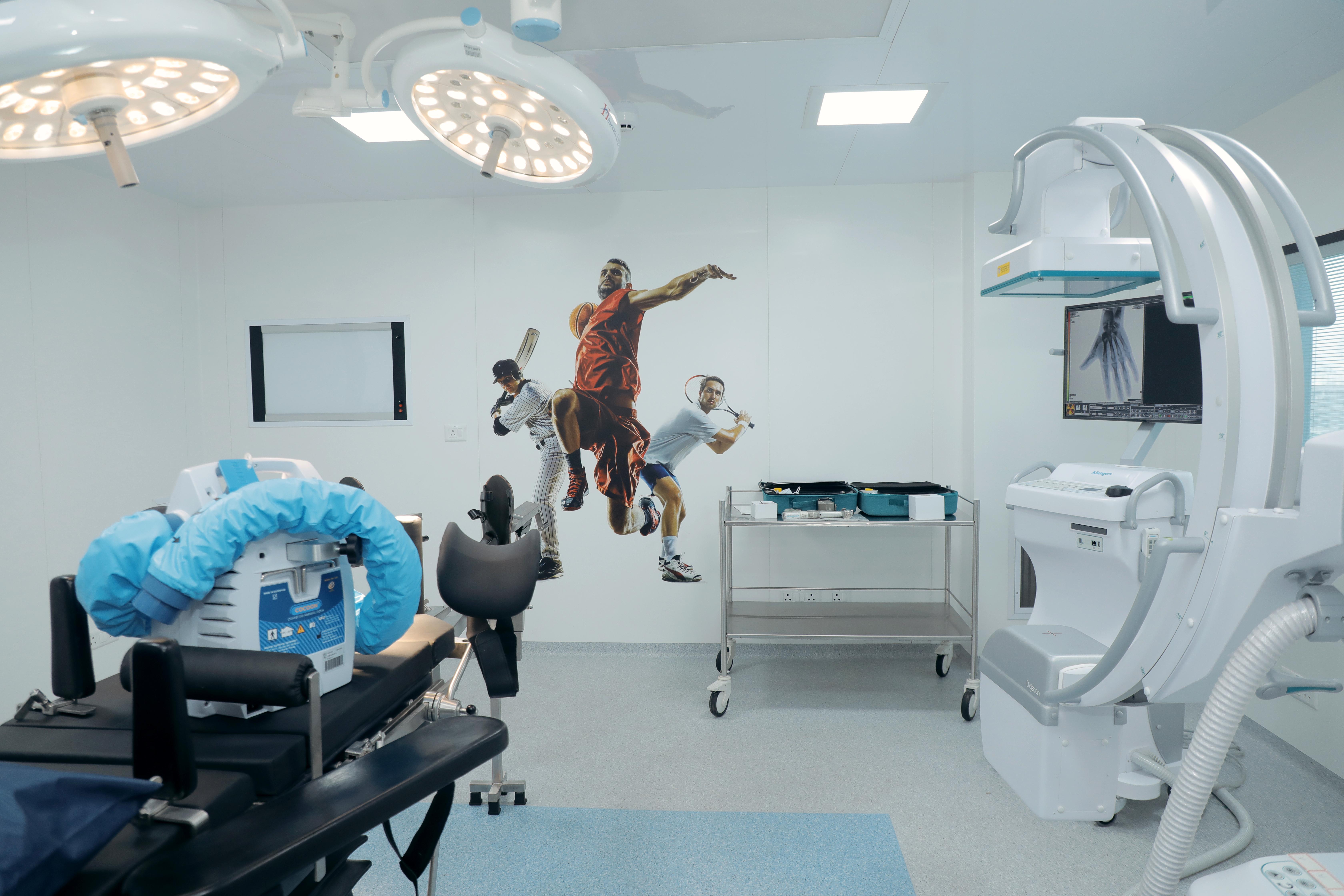
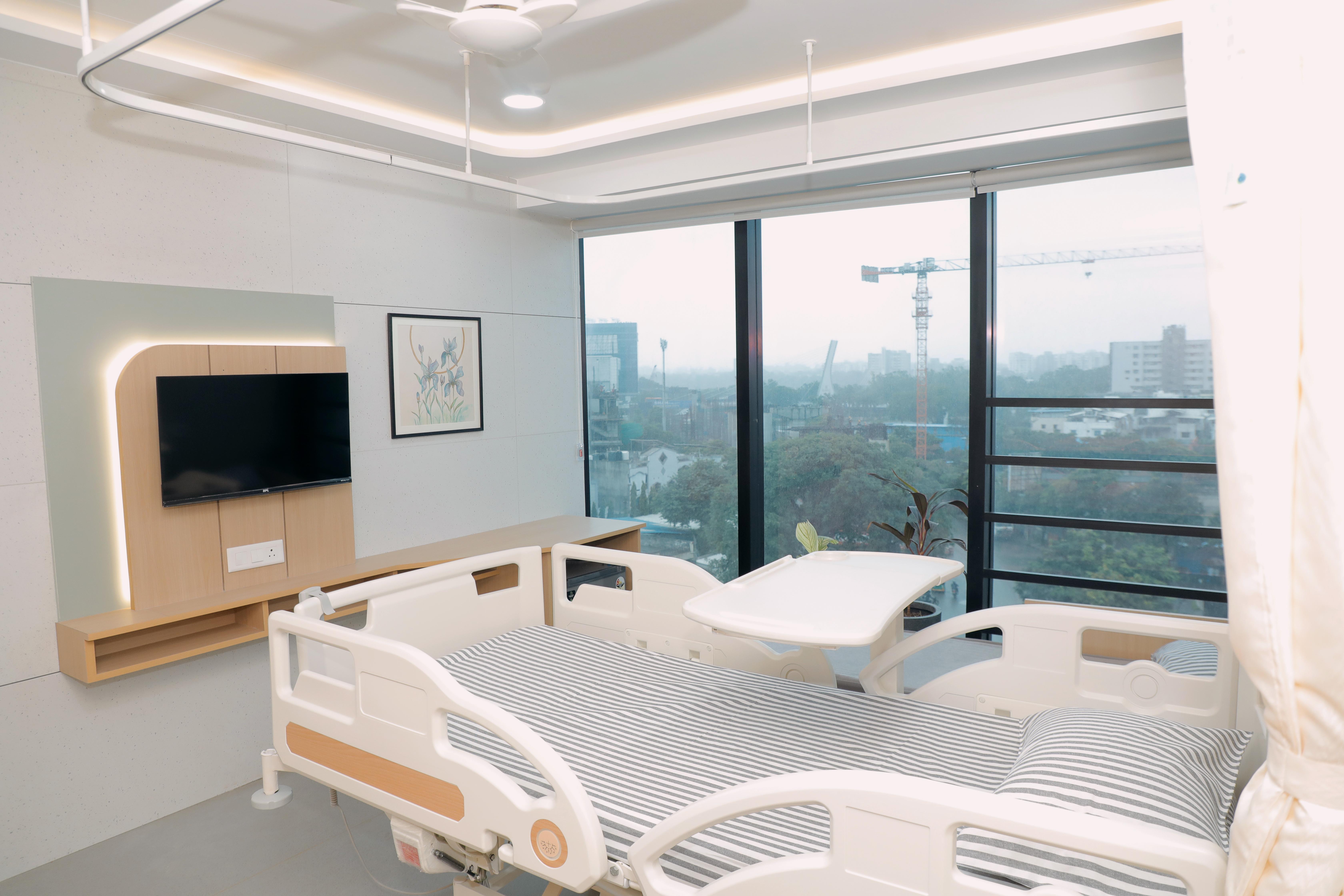
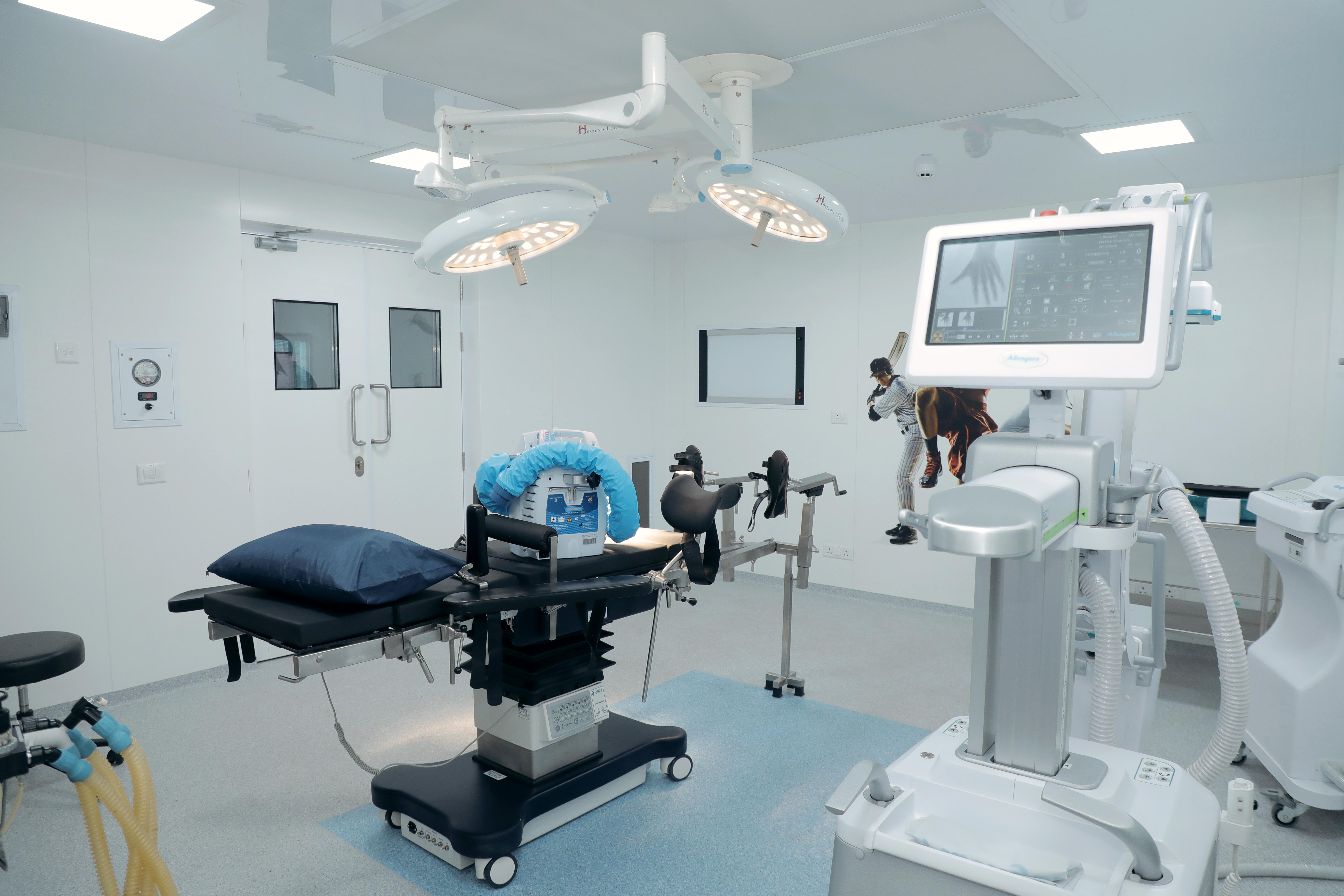
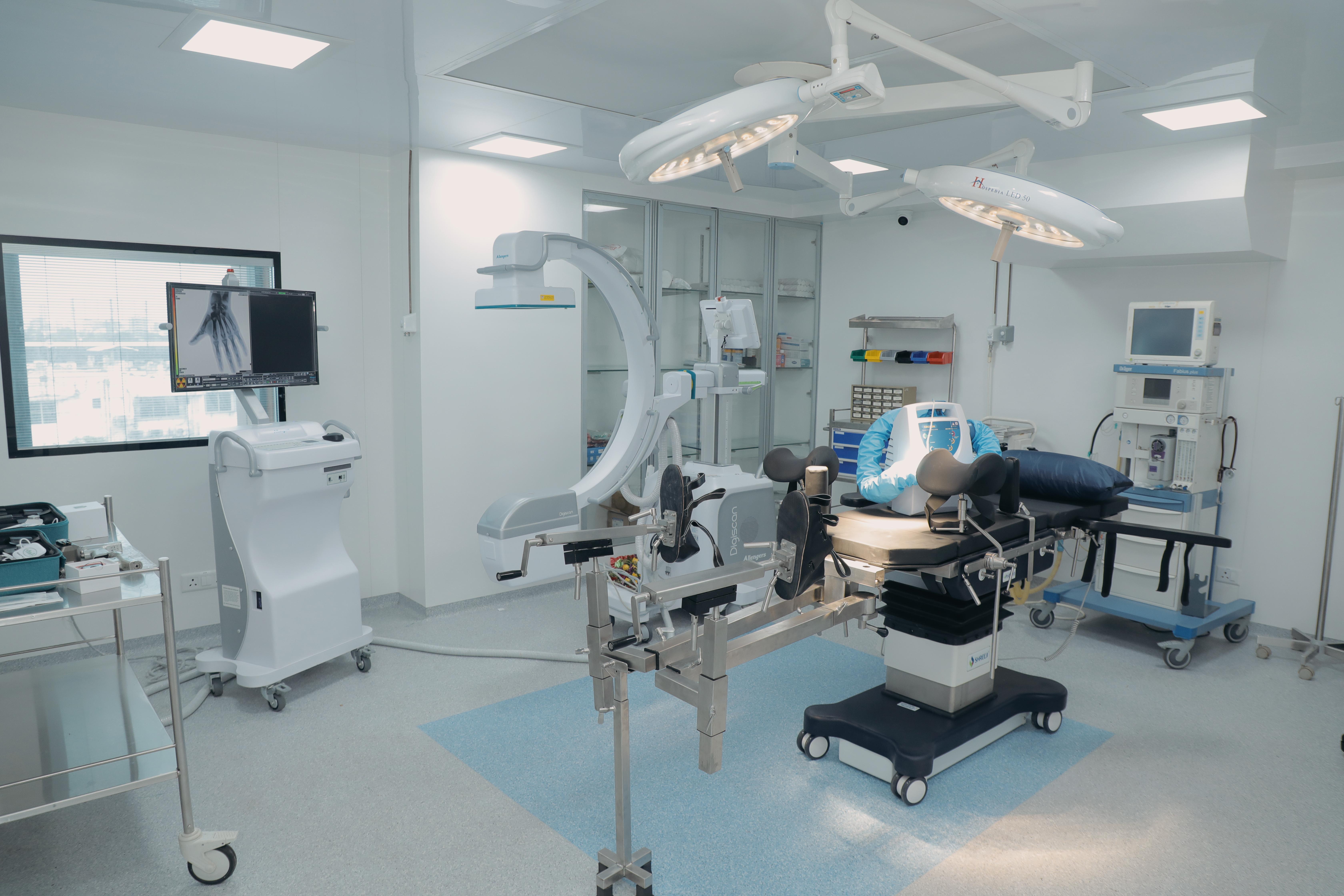
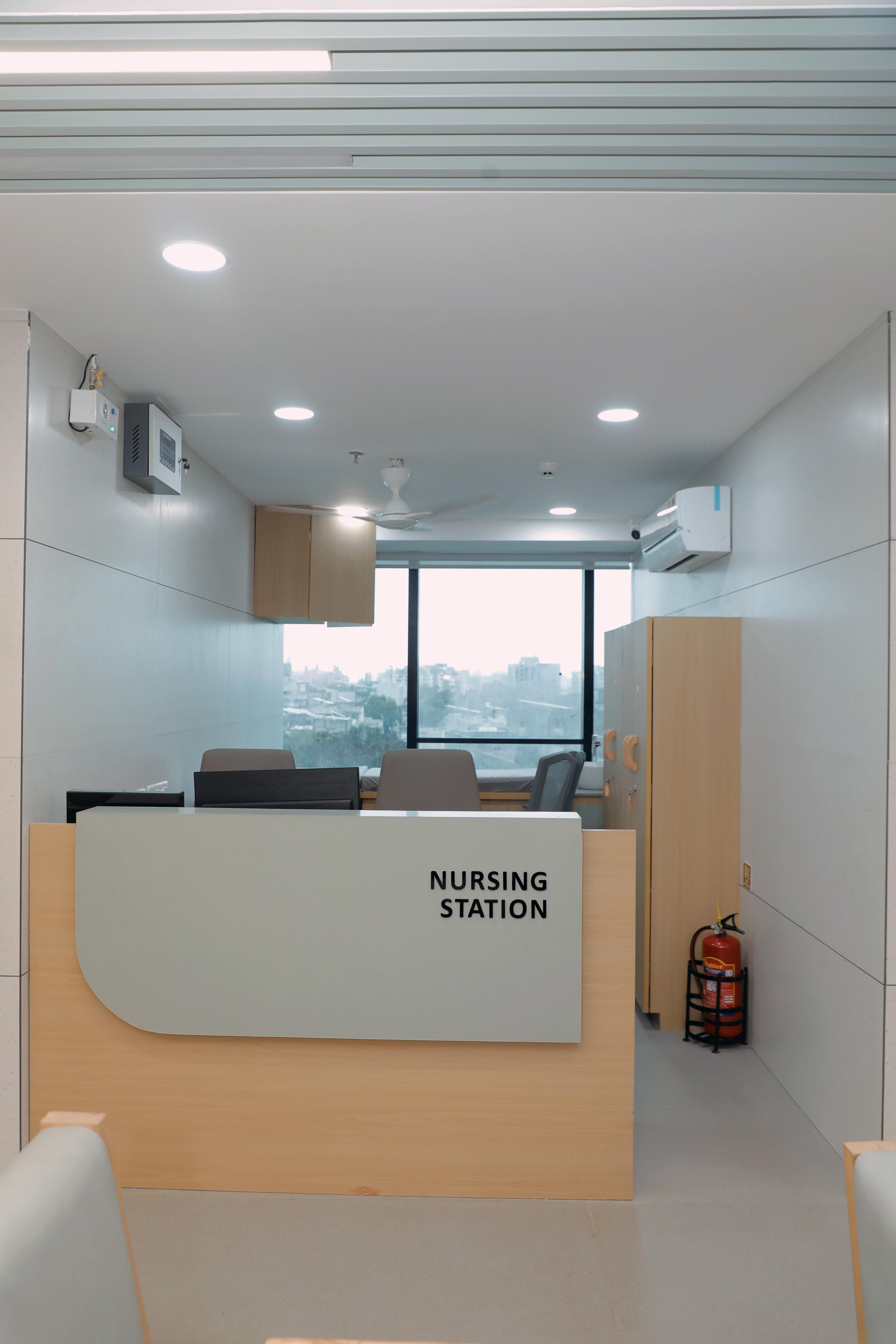
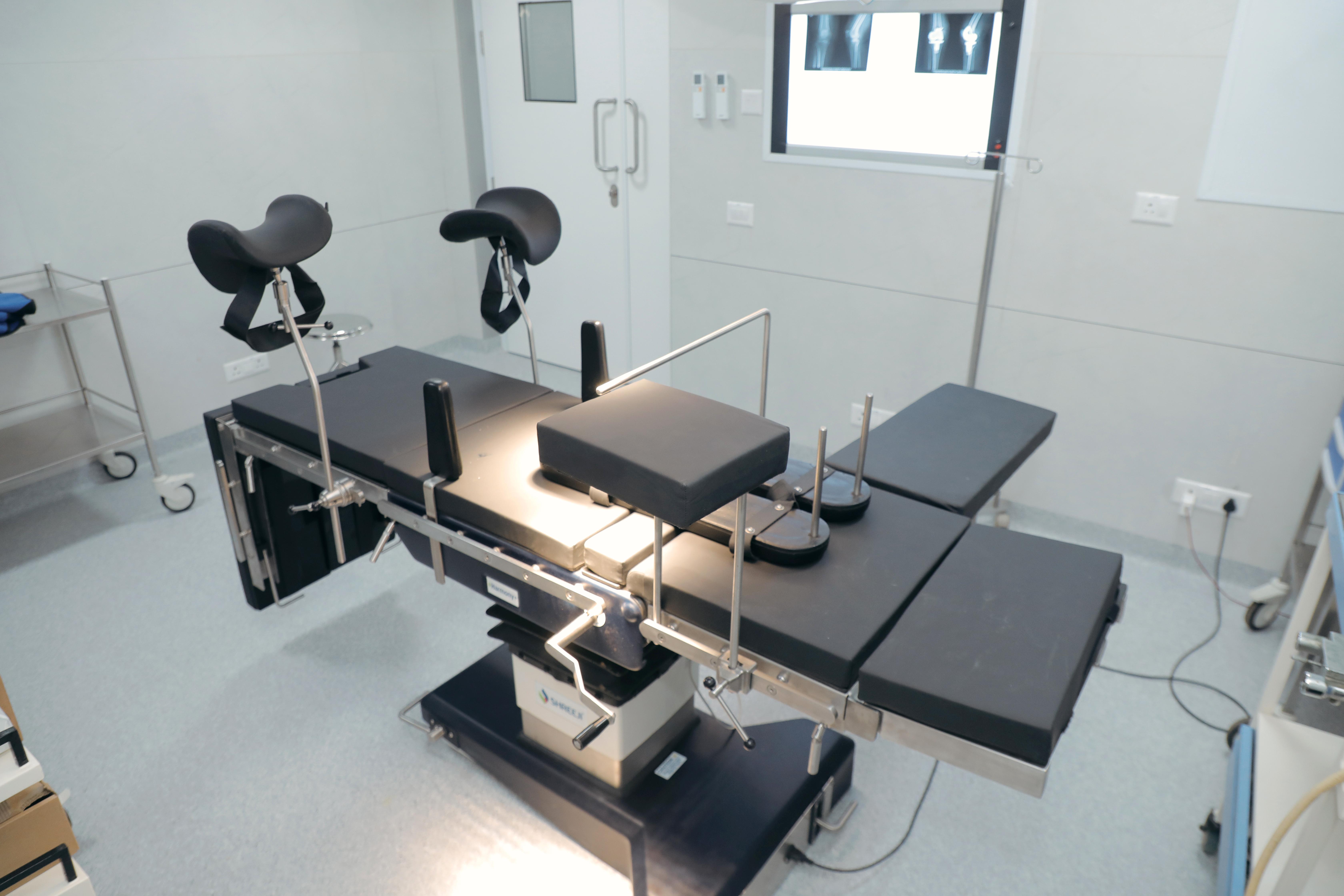
Modern surgical suites and recovery infrastructure designed for patient safety and comfort.
Surgical Insights & Patient Stories
Hover any clip to play. Click "View All" for the full library.
Inside the Clinic
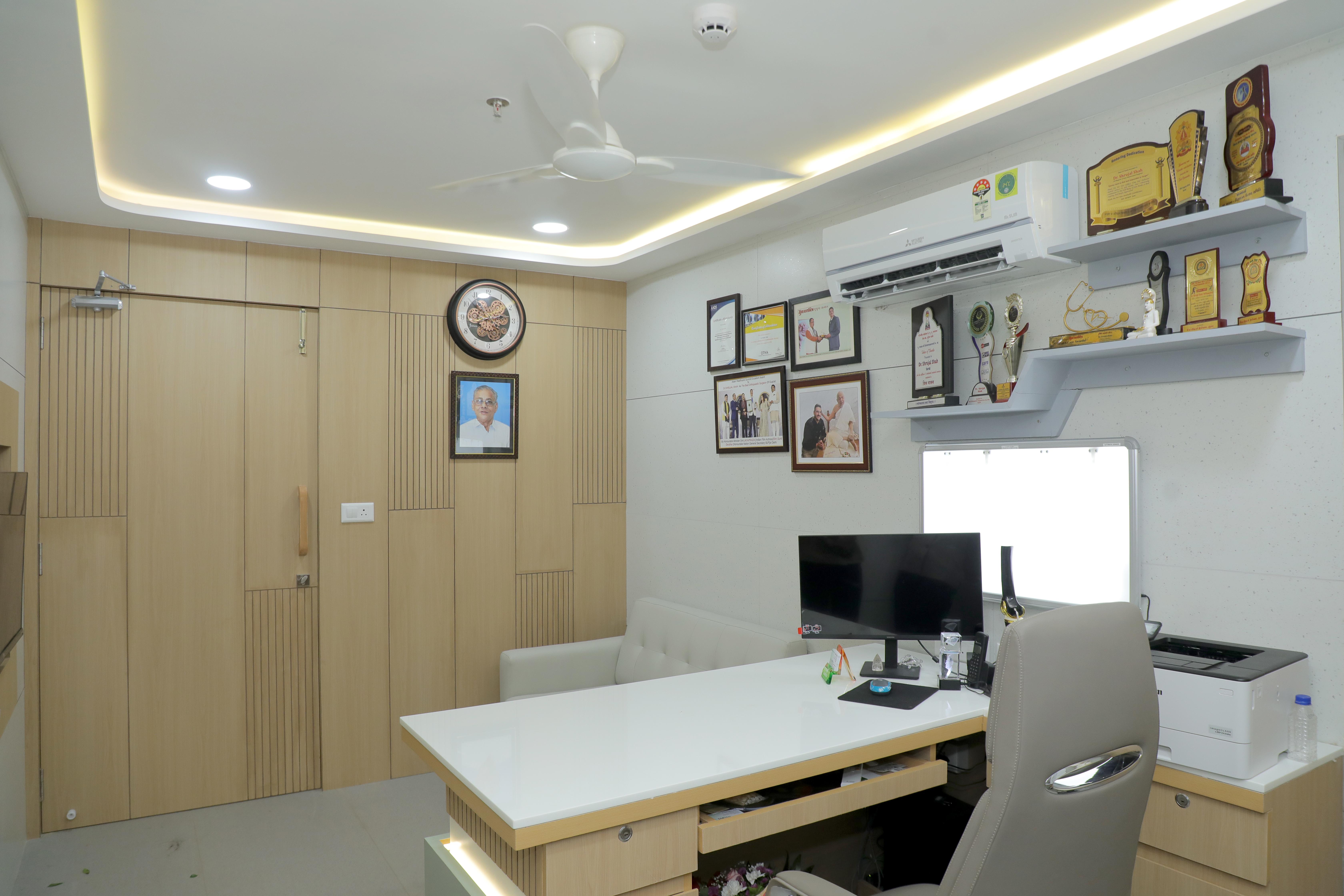
A glimpse of our facilities, surgical suites, and clinical environment.




Frequently Asked Questions
Answers to the most common questions patients ask before joint replacement, spine surgery, and orthopedic treatments.
See All FAQsWhy does a joint become painful?
A joint is formed by the junction of two bones. Its function is to allow movement, and the surrounding tissues and muscles support and direct that movement. A joint becomes painful when it gets diseased and degenerates, which can be caused by old age, injury, infection, rheumatoid arthritis, gout, and other reasons. The most common cause is wear and tear due to old age. A diseased joint becomes swollen and red, with pain on movement and weight-bearing, plus stiffness, making day-to-day activities difficult.
When is it necessary to replace a joint?
The ends of bones are covered with smooth white cartilage, which allows free movement of the joint. When a joint becomes diseased, this cartilage is lost, leading to raw bone ends rubbing against each other. This causes severe pain and restriction of movement. Initially, medicines and exercises help, but joint damage progresses over time. Pain that occurs at night and disturbs sleep indicates serious joint damage requiring surgery. As cartilage cannot be regenerated, it is replaced with a smooth plastic-and-metal surface — joint replacement surgery.
What is the advantage of joint replacement surgery?
The worn-out cartilage and frayed bone ends are replaced with a smooth metal and plastic surface. Movements become easier, pain on movement and weight-bearing goes away, muscle strength improves, and daily activities become easier. Surgical pain decreases in two to three weeks. Overall, surgery improves quality of life.
What are the risks and complications of joint replacement surgery?
Joint replacement surgery is one of the most successful surgeries in modern medical history. There are routine risks like any operation: anaesthesia allergies, infection, kneecap displacement, deep vein thrombosis, and others — but these are minimised through careful planning and post-operative care.
How much time does the surgery take?
The surgery itself normally lasts less than one hour. Preparation takes about one to one-and-a-half hours, and dressings, cleaning, and post-surgery X-rays take roughly one more hour. So relatives can expect to see their loved ones back after about three hours.
From the Blog
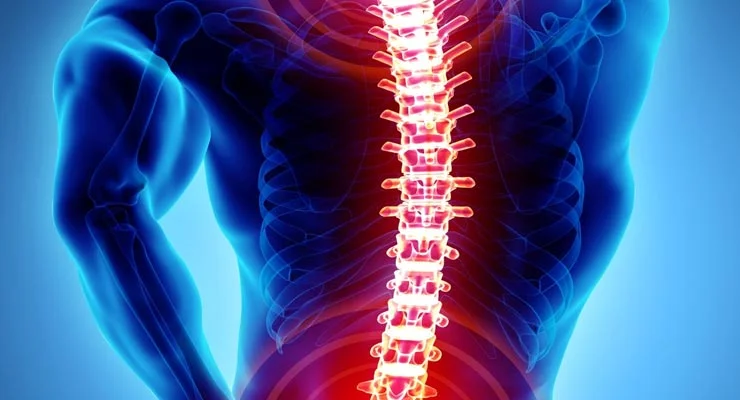
How do you know when you need spine surgery?
When someone comes to us with symptoms of extremity pain, we almost always suggest conservative care first.
Read More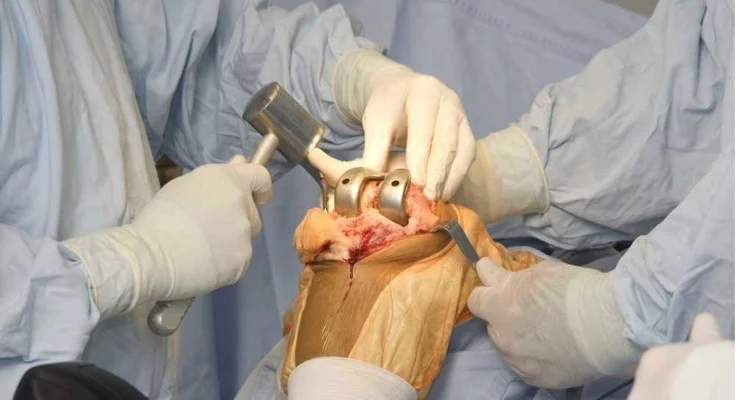
What to Expect in Knee Replacement Surgery?
Knee replacement surgery is one of the country's most prevalent bone surgeries. It is a decision that affects daily life.
Read More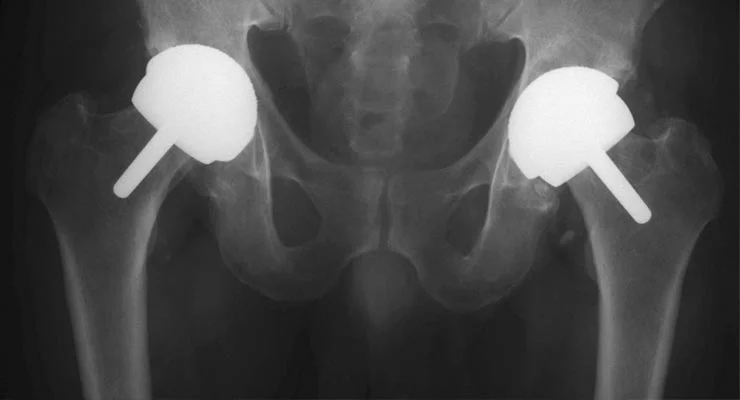
Is hip resurfacing a good alternative to hip replacement?
With many surgeons, hip resurfacing has lost favour as it can increase the amount of bone removed in revision.
Read More